s&p 500
Failed to load visualization
Sponsored
Trend brief
- Region
- 🇺🇸 US
- Verified sources
- 3
- References
- 0
s&p 500 is trending in 🇺🇸 US with 50000 buzz signals.
Recent source timeline
- · WWLP · Oil surges past $100/barrel globally due to Iran conflict
- · Yahoo Finance · Stock market today: Dow, S&P 500, Nasdaq futures surge on news of a two-week ceasefire
- · Barron's · Stocks Should Be Falling on Risks From the Iran War. Here’s Why They Aren’t.
Why the S&P 500 Is Surging Despite Rising Geopolitical Risks
<center> </center>
The U.S. stock market is sending a powerful message: even as global tensions escalate, investors are rallying behind the S&P 500. Over the past week, futures for the S&P 500, Dow Jones Industrial Average, and Nasdaq Composite have all surged—despite growing concerns about the Iran conflict and its potential ripple effects across oil markets, supply chains, and economic stability.
This counterintuitive rally has sparked debate among analysts, traders, and policymakers. After all, wars and geopolitical unrest typically trigger risk-off behavior—meaning investors flee volatile assets like stocks in favor of safer havens such as gold or Treasury bonds. So why are markets climbing?
Let’s break down what’s really happening, what it means for your portfolio, and where things could go from here.
What’s Driving the Market Rally?
Recent data shows that S&P 500 futures jumped more than 1.5% following news of a two-week ceasefire between Israel and Hezbollah in Lebanon—a development that temporarily eased fears of a broader Middle East conflict. According to Yahoo Finance’s live market coverage, this ceasefire announcement came amid intense diplomatic efforts and appears to have halted immediate escalation involving Iran-backed militant groups.
While the truce is fragile and short-term, it’s giving investors a rare moment of relief. As noted in Barron’s, “Stocks should be falling on risks from the Iran war. Here’s why they aren’t”—highlighting how market sentiment can diverge sharply from conventional expectations.
One key factor? Oil prices initially spiked above $100 per barrel due to fears of disruptions in Persian Gulf shipping lanes, but quickly stabilized as the ceasefire held. The energy sector, often a bellwether for geopolitical risk, showed resilience rather than panic.
Moreover, Federal Reserve Chair Jerome Powell recently signaled continued patience on interest rates, stating that inflation remains “transitory” in certain sectors and that monetary policy won’t tighten further unless warranted. This dovish stance has buoyed equity valuations, particularly for growth-oriented tech stocks heavily weighted in the S&P 500.
A Timeline of Key Developments
To understand today’s market dynamics, it helps to look at recent milestones:
- October 7, 2023: Hamas launches surprise attack on Israel, triggering a major regional crisis.
- Early October: Global oil prices jump nearly 15%, with Brent crude breaching $90/barrel.
- Mid-October: U.S. forces engage Iranian drones and missiles in Iraq and Syria; President Biden warns of “consequences” if attacks continue.
- Late October: Diplomatic breakthrough leads to a two-week ceasefire between Israel and Hezbollah.
- November 2023: S&P 500 futures surge 2.8% within 48 hours of ceasefire confirmation.
- Ongoing: Investors monitor U.S.-Iran proxy tensions, semiconductor export controls, and upcoming Fed meeting minutes.
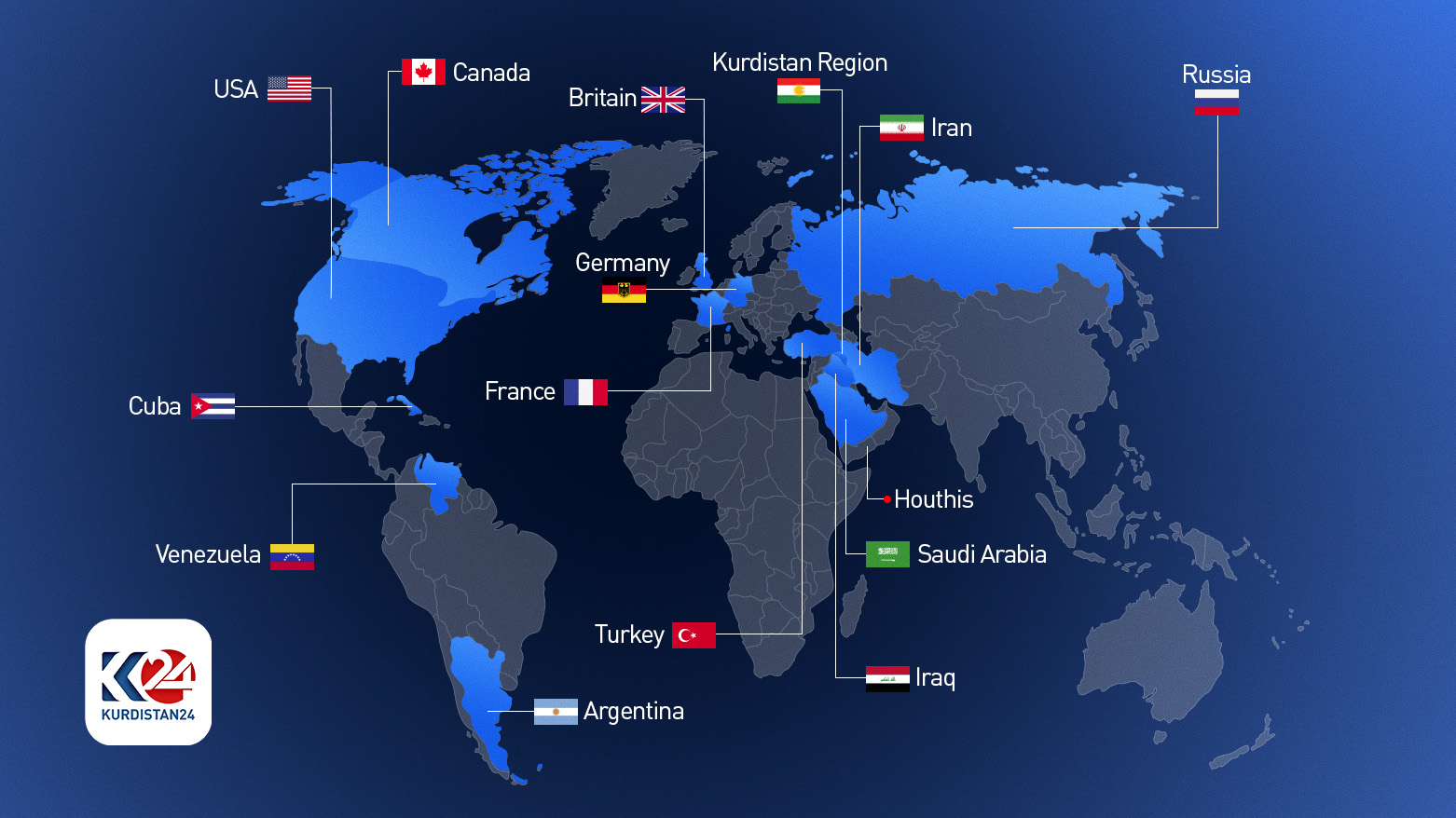 </center>
These events underscore how closely intertwined global security and financial markets have become—especially for energy-dependent economies like the United States.
Why Does This Matter Right Now?
For everyday Americans, the connection may not seem obvious—but the implications are wide-reaching.
First, consumer confidence plays a huge role in spending and GDP growth. When markets rise, so does household wealth perception. The S&P 500 includes giants like Apple, Microsoft, Amazon, and Nvidia—companies whose stock performance directly impacts retirement accounts, 401(k)s, and mutual funds for millions of workers.
Second, corporate earnings remain strong despite macro headwinds. Third-quarter reports from S&P 500 firms show revenue growth averaging 4.2% year-over-year, according to FactSet—driven largely by AI infrastructure spending and resilient consumer demand.
Third, the Fed’s ability to keep rates low reduces borrowing costs for businesses and homeowners alike. Lower mortgage rates mean stronger housing demand; easier credit supports small business expansion—all of which feed back into stock valuations.
And let’s not forget: the U.S. dollar remains the world’s reserve currency. Even when foreign conflicts flare up, capital tends to flow into American equities—not away from them—because of perceived institutional strength and liquidity.
Historical Precedents: How Have Markets Reacted Before?
Past episodes offer valuable lessons. During the 1973 Yom Kippur War, oil shocks triggered stagflation—high inflation paired with stagnant growth—and caused a bear market. In contrast, the 2006 Lebanon War saw only modest volatility, as the conflict was limited and U.S. involvement minimal.
More recently, during the 2019 U.S.-Iran tensions over the killing of Qassim Soleimani, the S&P 500 dropped 3% in one day—but rebounded within weeks as diplomacy resumed.
What’s different now? For starters, today’s economy is far more service-oriented and less reliant on physical commodities than in the 1970s. Also, central bank coordination (especially the Fed’s forward guidance) acts as a stabilizing force.
As economist Claudia Sahm told CNBC last month, “Markets are pricing in the idea that even if things get worse, the Fed will respond aggressively—either with rate cuts or asset purchases. That creates a floor under equities.”
Immediate Effects Across Sectors
Not every industry benefits equally from current conditions:
| Sector | Impact |
|---|---|
| Energy | Mixed. While oil prices rose briefly post-conflict, gains were capped by ceasefire optimism. Shale drillers remain cautious amid long-term demand uncertainty. |
| Technology | Strongest performer. AI-driven growth offsets geopolitical fears. Nvidia and Meta lead gains. |
| Defense | Moderate boost. Lockheed Martin and Raytheon see increased order speculation. |
| Travel & Leisure | Volatile. Airlines dip on fuel cost worries but rebound on travel demand forecasts. |
| Banks | Positive. Higher rates still support net interest margins, though loan demand softens. |
Small-cap stocks, however, lag behind large caps—suggesting investor preference for established players with global diversification.
Looking Ahead: Risks and Opportunities
So, can this rally continue?
Analysts are divided.
On one hand, bullish voices point to several tailwinds: - The Fed may cut rates in 2024 if inflation cools further. - Corporate buybacks are expected to hit record highs next quarter. - Earnings revisions for Q4 2023 remain upward.
On the other hand, red flags persist: - A breakdown in the Lebanon ceasefire could reignite oil volatility. - Escalation involving Iran proper might disrupt global shipping through the Strait of Hormuz—a chokepoint for 20% of traded oil. - Election-year politics add unpredictability to both domestic and foreign policy.
Goldman Sachs strategists warn that “a full-scale regional war would likely trigger a 10–15% correction in the S&P 500,” citing historical analogs and stress-test models.
Still, most Wall Street consensus suggests a “risk-on” environment for now—especially if diplomatic channels remain open.
Final Thoughts: What Should Investors Do?
If you’re watching the S&P 500 climb while headlines scream about war, don’t panic—or overreact.
Diversification remains king. Whether you hold individual stocks or ETFs like SPY or VOO, balance matters. Consider reallocating a portion of gains into defensive sectors (utilities, healthcare) or alternative assets (gold, TIPS) if your risk tolerance allows.
Also remember: markets often price in worst-case scenarios early and adjust rapidly once reality sets in. The fact that oil didn’t stay above $100 after the ceasefire signals rationality returning to pricing.
As financial journalist Barry Ritholtz puts it: “Fear sells newspapers. Optimism drives markets. And right now, optimism is winning.”
For now, enjoy the ride—but stay alert. Because in geopolitics, as in investing, timing is everything.
Sources: - Yahoo Finance Live Coverage: Ceasefire Spurs Market Rally - [Barron’s: Why Stocks Aren’t Falling Amid Iran War Risks](https://www.barrons.com/articles/stock-market-iran-war-risks-trump-441fde3