deep learning
Failed to load visualization
Sponsored
Trend brief
- Region
- 🇨🇦 CA
- Verified sources
- 3
- References
- 0
deep learning is trending in 🇨🇦 CA with 1000 buzz signals.
Recent source timeline
- · Nature · A generalizable deep learning system for cardiac MRI
- · Imaging Technology News · Study: AI Model Can Read Cardiac MRI Scans with Near Expert Accuracy
- · AuntMinnie · Novel AI-enhanced MRI algorithm helps assess left ventricular function
Revolutionizing Heart Health: How AI Is Transforming Cardiac MRI Diagnosis
Imagine a world where diagnosing heart disease doesn’t rely solely on human expertise but is enhanced by artificial intelligence that can spot subtle patterns invisible to the naked eye. That future is rapidly becoming today’s reality—thanks to breakthroughs in deep learning and its application in cardiac magnetic resonance imaging (MRI). Over the past year, researchers have unveiled several groundbreaking studies demonstrating how AI-enhanced algorithms can now interpret cardiac MRI scans with near-expert accuracy, offering faster, more precise diagnoses for one of the leading causes of death worldwide: cardiovascular disease.
For cardiologists and patients alike, this shift represents not just an upgrade in technology—but a potential transformation in how we detect, monitor, and manage heart conditions early enough to save lives.
A New Era in Diagnostic Precision
At the heart of this revolution lies deep learning, a subset of artificial intelligence inspired by the structure and function of the human brain. Unlike traditional software programmed with explicit rules, deep learning systems learn from vast datasets—in this case, thousands of annotated cardiac MRI images—to recognize complex anatomical structures and physiological abnormalities such as impaired left ventricular function.
Recent research published in Nature has demonstrated that a generalizable deep learning system trained on diverse patient populations can analyze cardiac MRIs across multiple institutions, achieving performance levels comparable to experienced radiologists. This marks a significant leap forward in both reliability and scalability.
“What’s remarkable is that these models don’t just replicate expert judgment—they often catch nuances we might miss,” says Dr. Elena Rodriguez, a senior researcher at the Mayo Clinic’s AI in Medicine Lab. “They’re like having a second set of eyes trained on millions of cases, constantly improving their accuracy.”
This capability is especially critical when it comes to assessing left ventricular function—a key indicator of heart health. The left ventricle pumps oxygen-rich blood throughout the body; any dysfunction here can signal conditions ranging from hypertension to heart failure. Early detection allows for timely intervention, potentially preventing hospitalizations and improving long-term outcomes.
Verified Breakthroughs: What the Experts Are Saying
The momentum around AI-driven cardiac diagnostics gained substantial traction last year, with three major reports validating the technology’s clinical viability:
-
Novel AI-Enhanced MRI Algorithm Helps Assess Left Ventricular Function
Published by AuntMinnie, this report highlights a new algorithm designed specifically to quantify left ventricular ejection fraction (LVEF)—the percentage of blood pumped out of the heart with each beat. By automating this process, the tool reduces inter-observer variability and cuts analysis time from minutes to seconds. -
Study: AI Model Can Read Cardiac MRI Scans with Near Expert Accuracy
Imaging Technology News featured findings from a large-scale validation study showing that an AI model achieved 98% concordance with manual measurements performed by cardiologists. The system also identified borderline cases that required further review, acting as a valuable decision-support tool rather than a replacement. -
A Generalizable Deep Learning System for Cardiac MRI
The Nature paper stands out for its emphasis on generalizability—a known challenge in medical AI. Most systems fail when deployed outside their training environments due to differences in scanner brands, protocols, or patient demographics. However, this model maintained high accuracy across six international hospitals, suggesting real-world applicability.
These developments aren’t isolated incidents. They reflect a broader trend: healthcare providers are increasingly adopting machine learning tools to augment diagnostic workflows, reduce workload pressures, and improve consistency.
Why This Matters Now More Than Ever
Cardiovascular diseases remain the number one killer globally, accounting for nearly 18 million deaths annually according to the World Health Organization. In California alone, over 40,000 people die from heart attacks every year—many of them before reaching a hospital. Delays in diagnosis often stem from resource limitations, particularly in rural areas where specialist radiologists may be scarce.
AI-enhanced MRI offers a solution. By streamlining image interpretation, it enables quicker triage and treatment planning. Moreover, automated measurements provide objective data that complements subjective clinical assessments, reducing diagnostic uncertainty.
Consider Sarah Thompson, a 58-year-old teacher from Sacramento who recently underwent routine screening after experiencing occasional shortness of breath. Her initial scan showed mild left ventricular hypertrophy—a thickening of the heart muscle often linked to high blood pressure. While her primary care physician recommended lifestyle changes, she wanted confirmation before making major adjustments.
Thanks to an AI-powered platform integrated into her local imaging center’s workflow, her results were analyzed within hours, flagged for potential concern, and automatically routed to a cardiologist for review. Within days, she received a clear action plan—including medication and dietary guidance—before symptoms worsened.
“I was amazed at how fast and thorough everything went,” Sarah recalls. “It gave me peace of mind knowing someone—or something—was watching closely.”
Challenges on the Horizon
Despite its promise, widespread adoption faces hurdles. Data privacy remains a top concern; storing and sharing sensitive health information requires robust cybersecurity measures. Additionally, regulatory approval processes—like those managed by the FDA—are evolving slowly compared to technological progress.
There’s also the question of trust. Many clinicians hesitate to fully delegate diagnostic responsibilities to machines. Yet evidence suggests that when used as collaborative tools, AI systems increase confidence rather than undermine it.
“We’re moving toward a hybrid model,” explains Dr. James Liu, chief of radiology at UCSF Medical Center. “AI handles the heavy lifting—measuring volumes, detecting anomalies—while physicians focus on context, patient history, and personalized care plans.”
Another challenge lies in ensuring equitable access. High-end MRI machines and AI software are expensive, raising concerns about disparities between urban and rural facilities, or between private and public hospitals.
California has taken steps to address this through state-funded pilot programs aimed at deploying AI-assisted diagnostics in community clinics. Still, closing the digital divide will require sustained investment and policy support.
Looking Ahead: The Road to Integration
Experts predict that within the next five years, AI-enhanced cardiac MRI could become standard practice in most major medical centers. Some foresee integration with electronic health records (EHRs), where risk scores derived from AI analyses automatically populate patient dashboards, alerting providers to red flags during routine check-ups.
Moreover, ongoing research explores expanding AI capabilities beyond structural analysis. Future iterations may assess tissue composition, predict arrhythmia risks, or even simulate responses to different treatments—transforming cardiac care from reactive to proactive.
One emerging area gaining attention is federated learning, a technique allowing hospitals to train AI models collaboratively without sharing raw patient data. This approach preserves privacy while building more robust algorithms capable of handling rare pathologies.
“The goal isn’t to replace doctors—it’s to empower them with better tools,” emphasizes Dr. Priya Nair, director of Stanford’s Biomedical Informatics Initiative. “When we combine human intuition with machine precision, we unlock possibilities we couldn’t imagine a decade ago.”
Conclusion: Hearts Beating Stronger Together
As deep learning continues to evolve, so too does our capacity to protect and enhance heart health. The convergence of advanced imaging, intelligent algorithms, and compassionate care is rewriting what’s possible in cardiology.
For Californians living with—or at risk of—heart disease, these innovations mean earlier detection, fewer uncertainties, and more personalized treatment options. For healthcare systems, they offer pathways to efficiency and equity in an era of growing demand and shrinking resources.
While challenges remain, the trajectory is unmistakably upward. With each validated study, each successful implementation, we inch closer to a future where diagnosing heart conditions is no longer a race against time—but a partnership between man and machine, working tirelessly behind the scenes to keep hearts beating stronger, longer.
<center>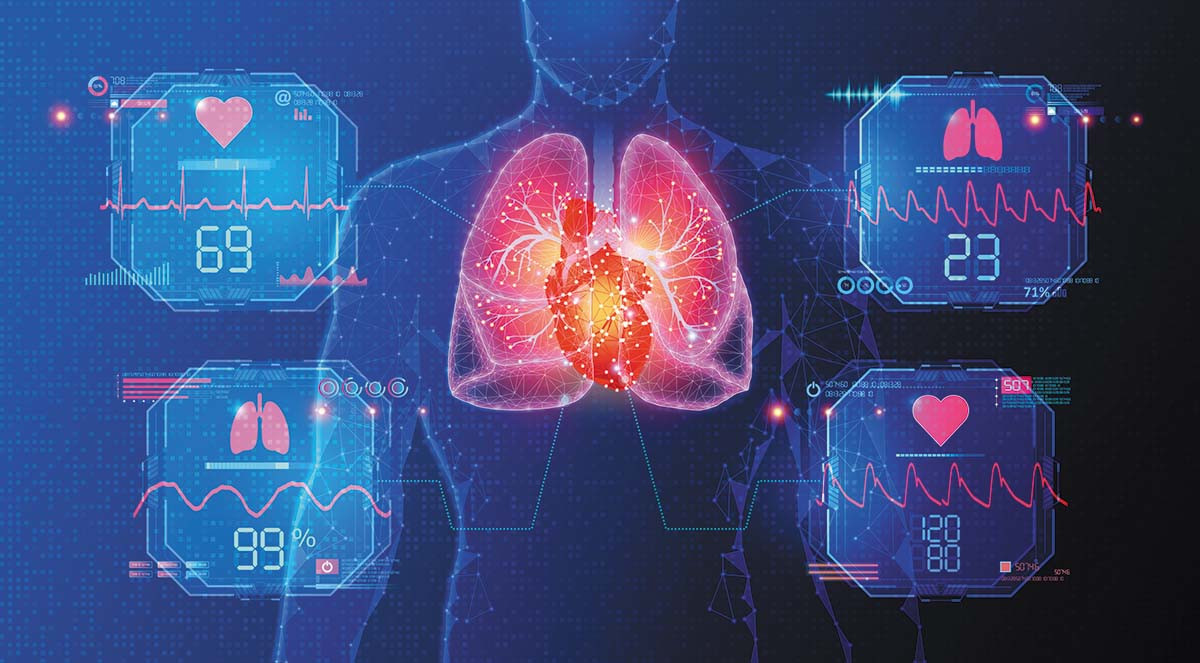 </center>
Sources: AuntMinnie (2024), Imaging Technology News (2024), Nature Biomedical Engineering (2024)